Русский
 Հայերեն

A trip to Urartu suggests that the monuments were built between the ninth century BC and the fourth century BC.
During that period castles, temples, a water supply system were built, gardens were planted dozens of cuneiform inscriptions were left.
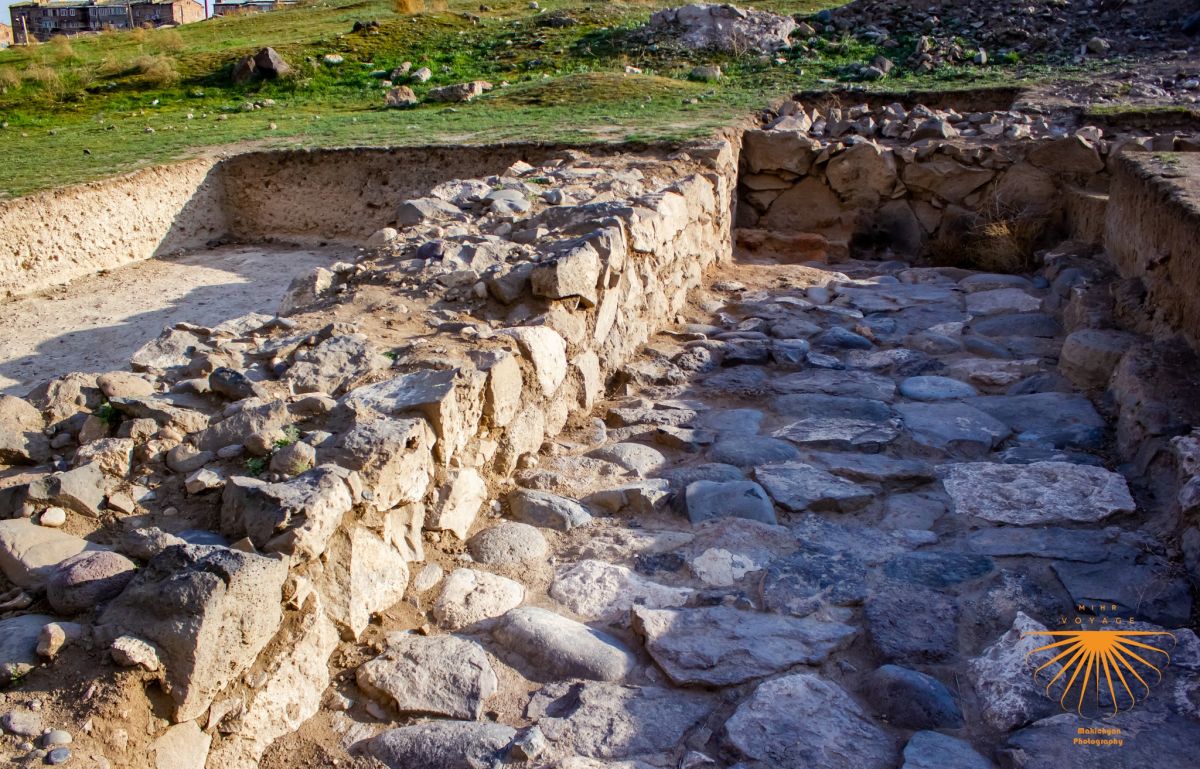
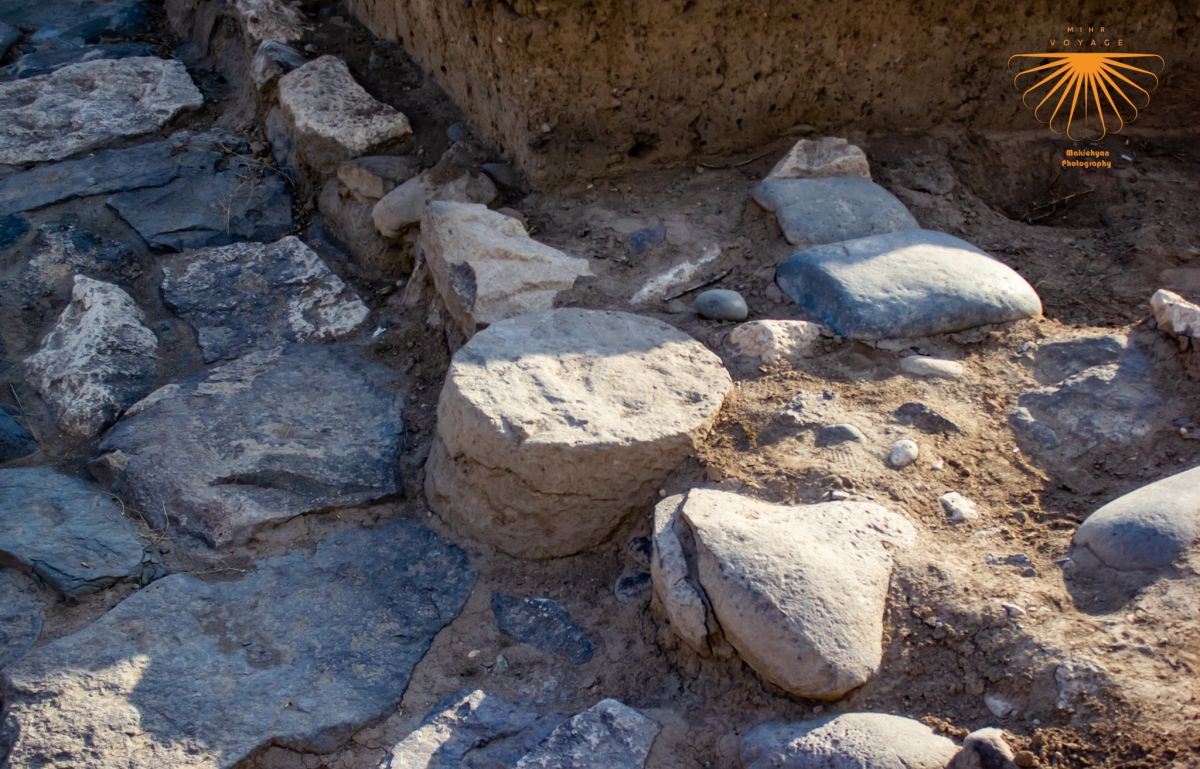
During archaeological excavations, amazing materials, jewelry, remnants of clothing and food, weapons are extracted from the ground.
The structures are distinguished by rich interior decoration, and multifunctional external spectacular structures.
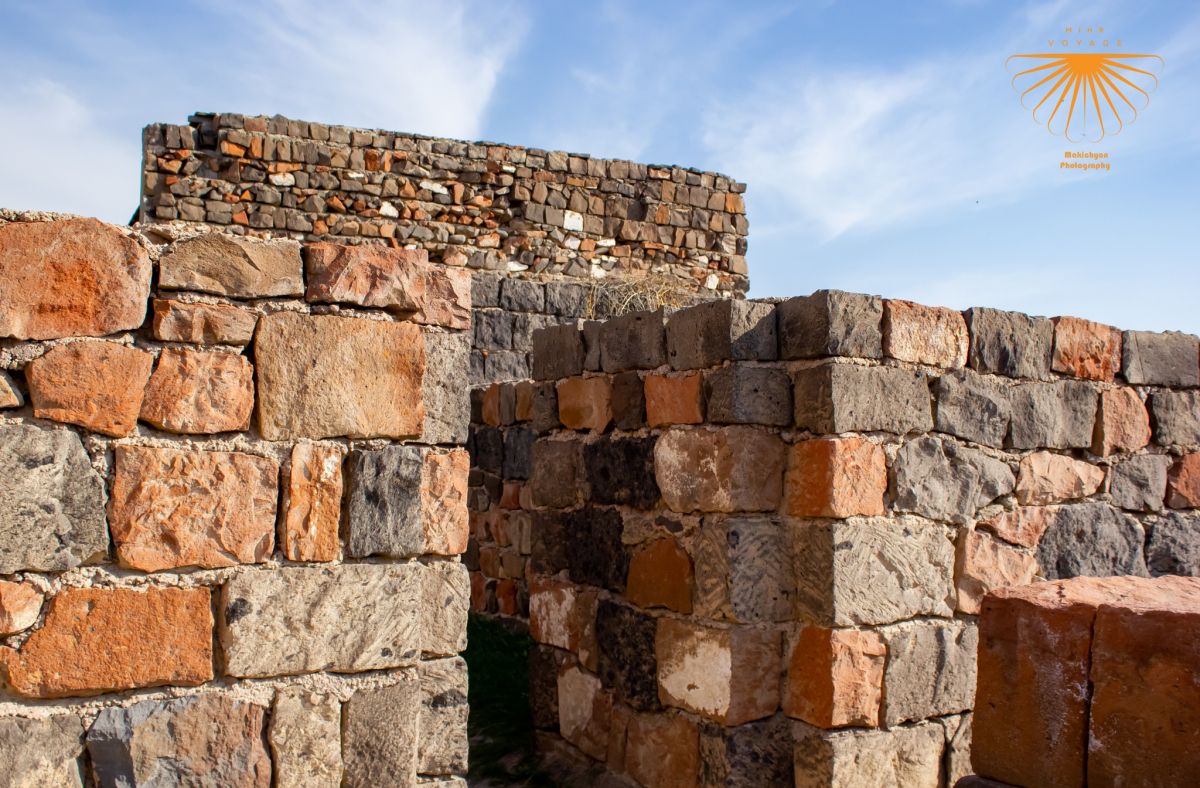
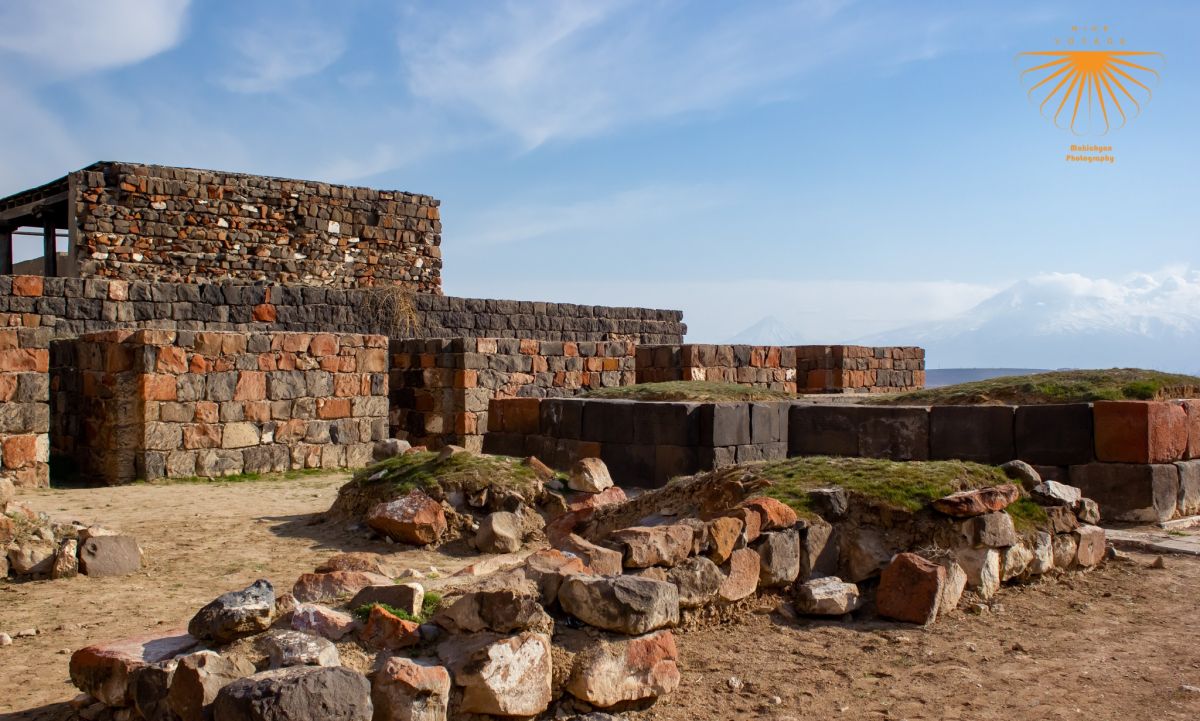
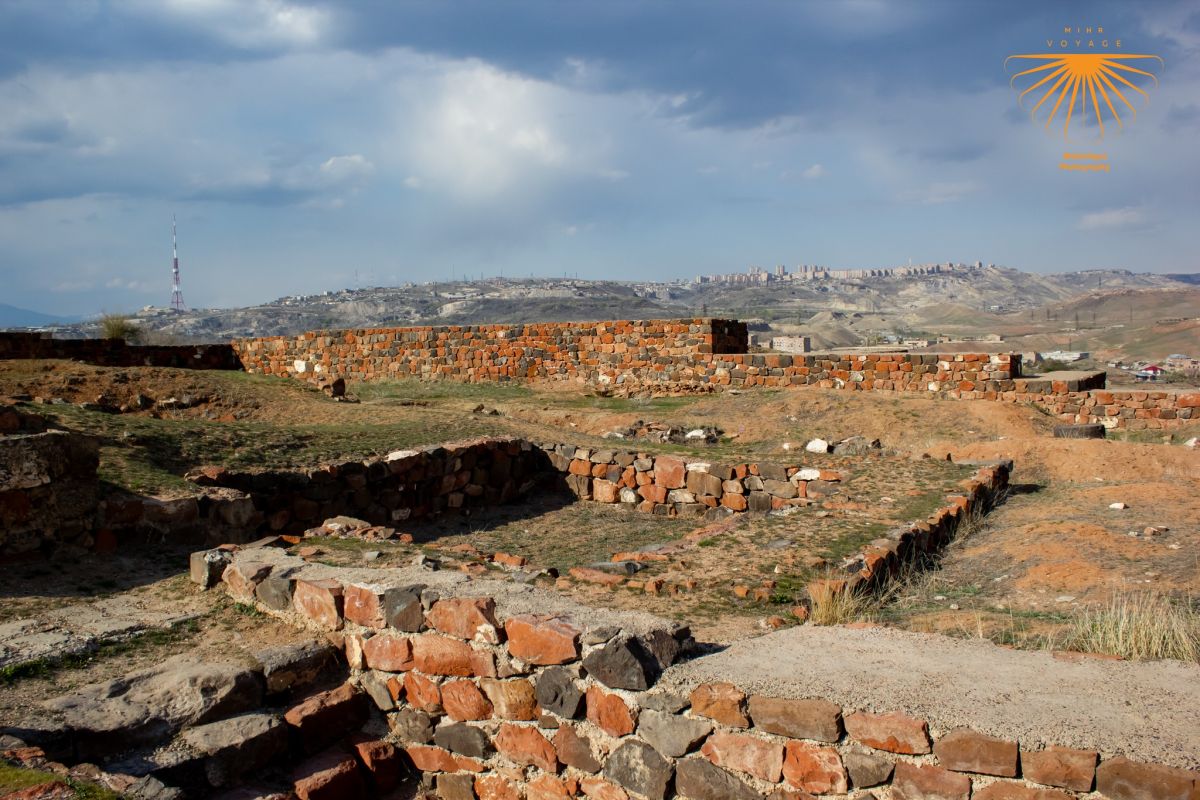
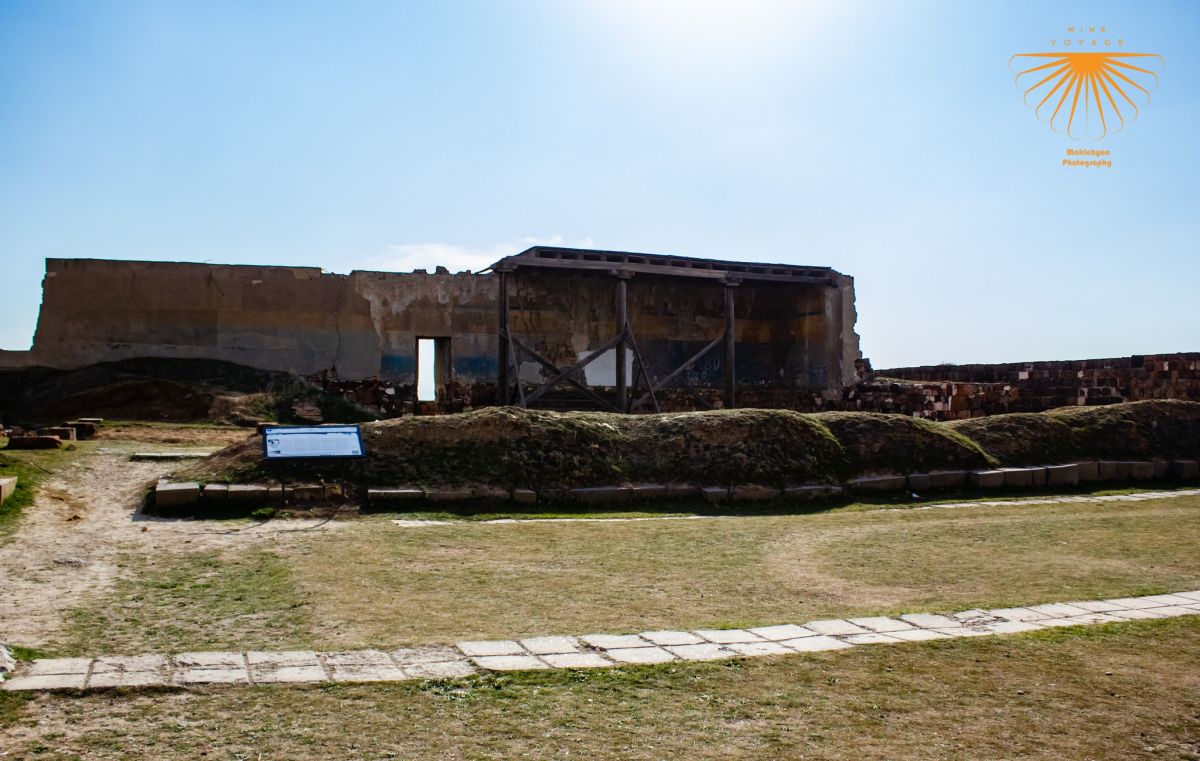
The fortress of Erebuni was built in the eighth century BC by King Argishti.
For its construction, King left a cuneiform inscription, which is the stone passport of the city of Yerevan.
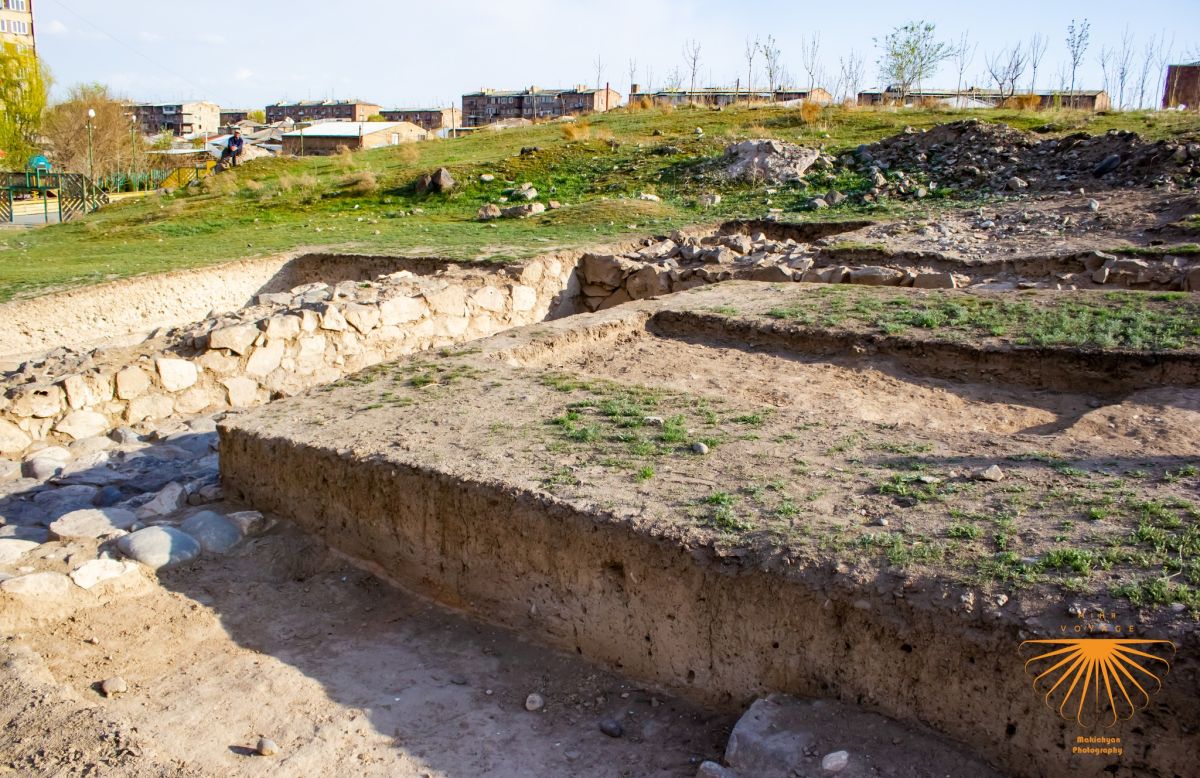
Erebuni Fortress is located on Arin Berd Hill, and a museum has been built at its foot, which presents valuable and significant materials found in the Armenian excavations of Urartu.
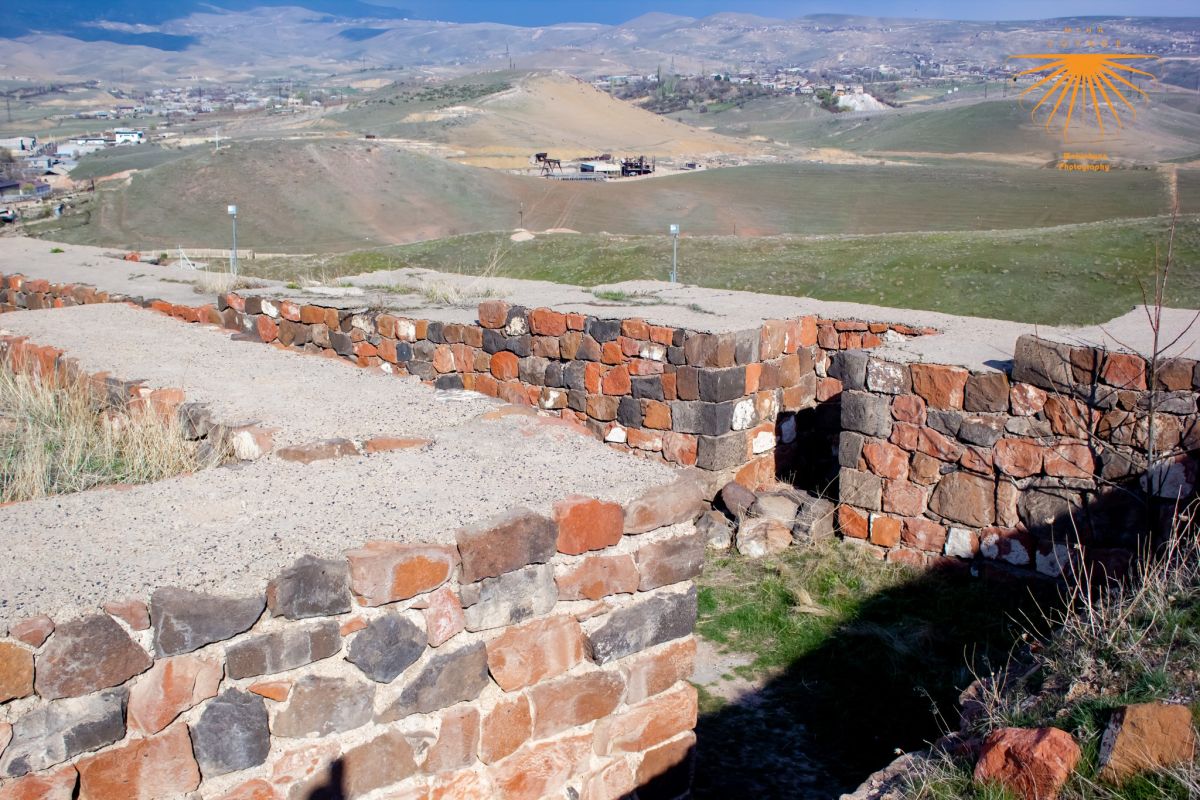
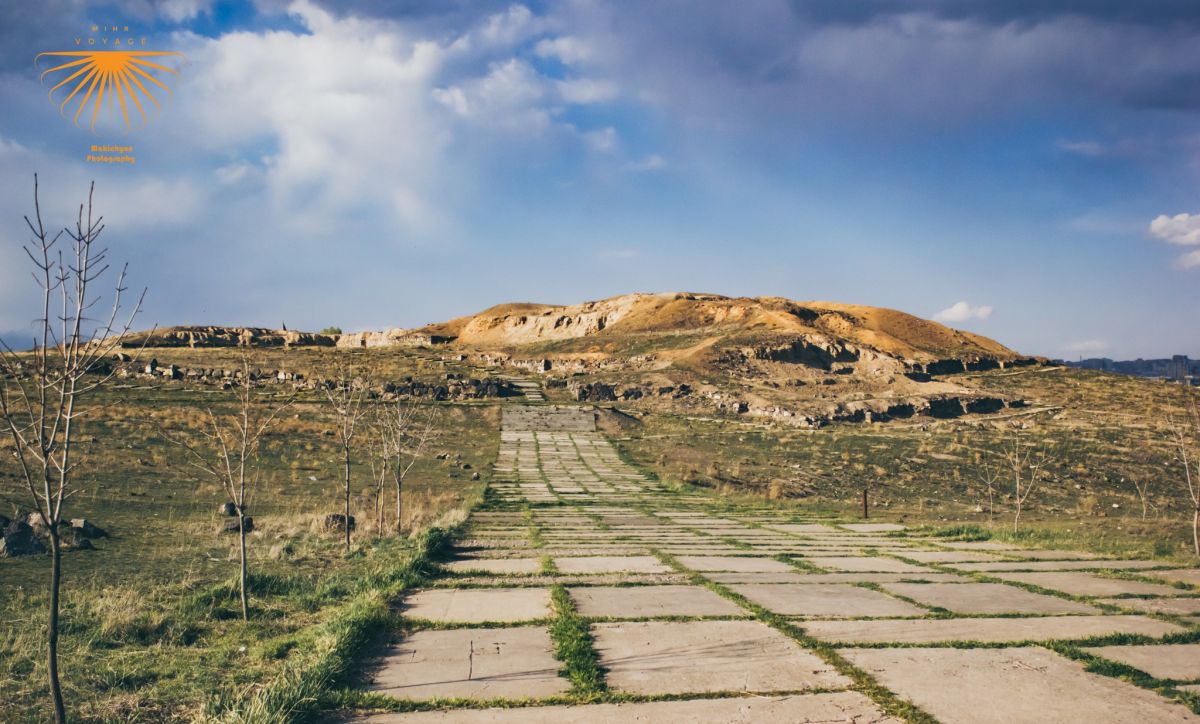
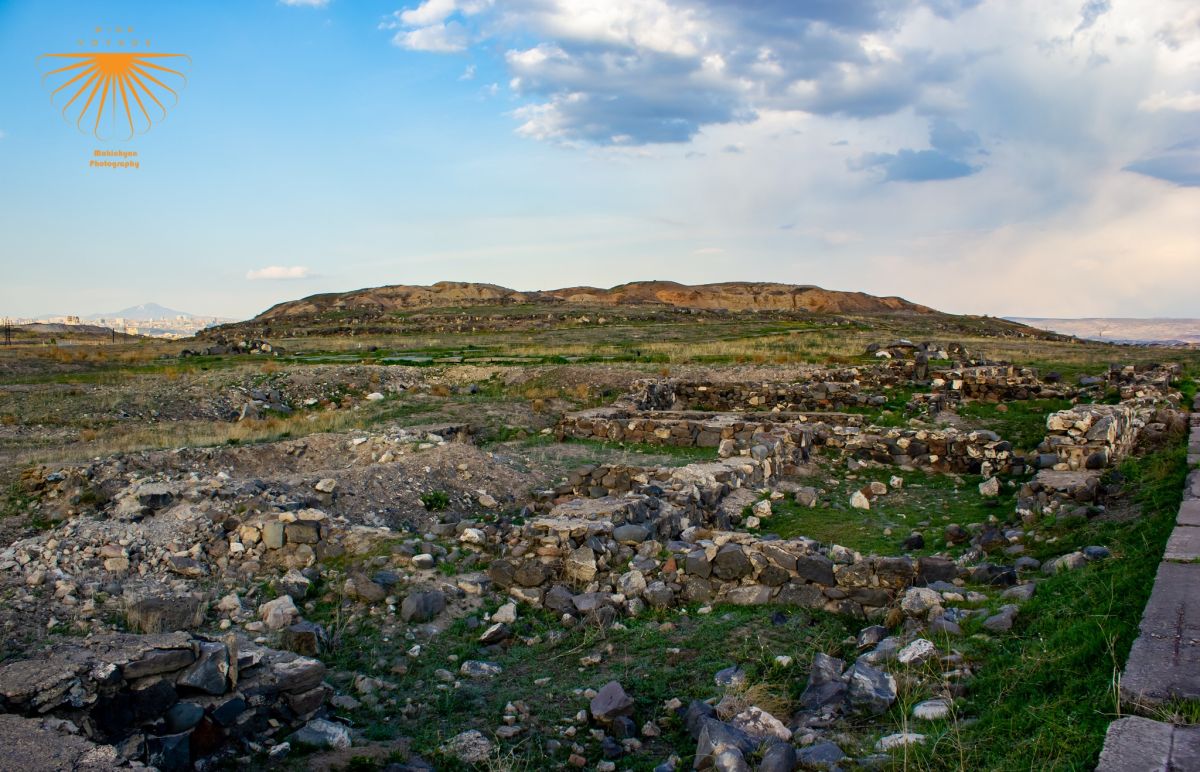
There are two Urartian fortresses in the territory of Yerevan at once: the first is Erebuni, the second is Teishebaini on Karmir Blur hill.
It is located on the banks of the Hrazdan River and was built later than Erebuni.
Teishebaini is not only the Urartian heritage, but also one of the important witnesses of the wine history of Armenia, about which proved the wine cellars and numerous jugs of wine there.
Near the magnificent medieval Zvartnots Temple, many earlier archaeological finds have been preserved, including the inscription of Russa II, one of the powerful kings of the Ararat kingdom of Urartu.
It was found during excavations carried out from 1919 to 1907.
The inscription is made on a stone about 3 meters high.
It is interesting that, the stone was found broken, but the inscription remained completely unbroken.
It tells the story of the garden planted by Russa the 2nd and the canal through which it passed.
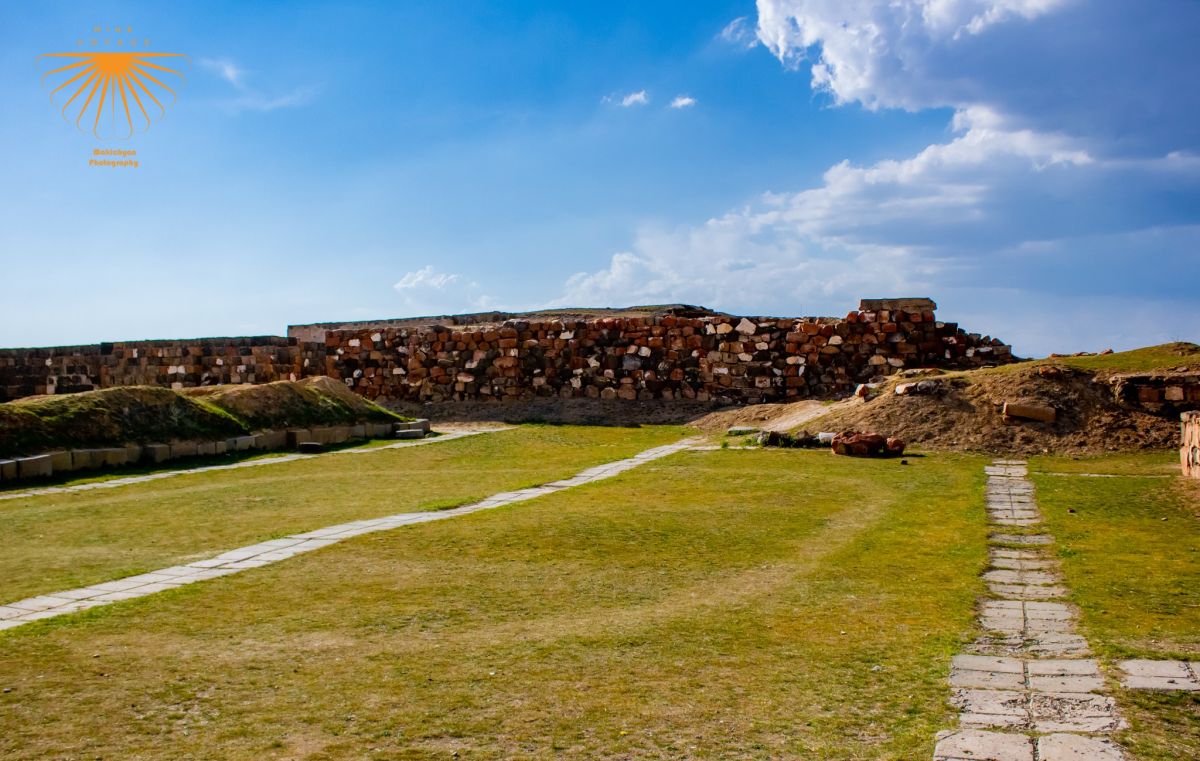
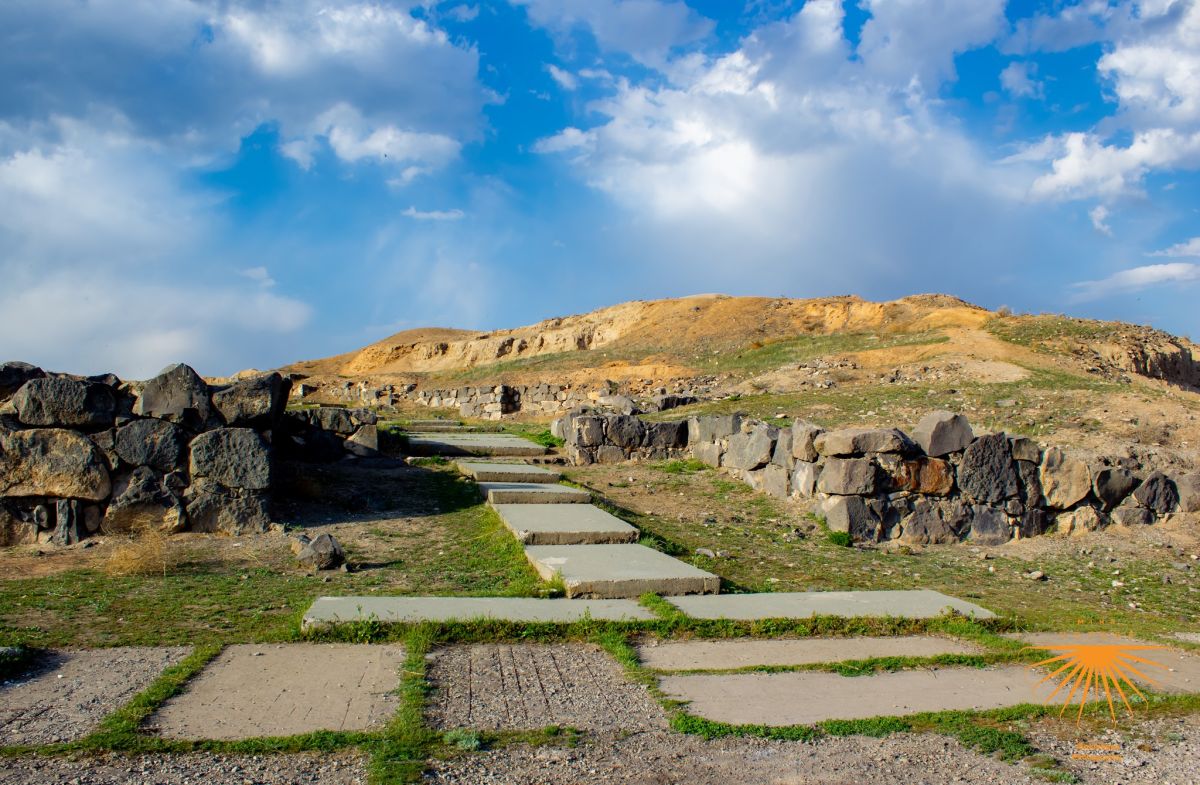
The fortress city of Argishtikhili was an important administrative center during the years of the power of the Urartian Ararat kingdom.
It was built by King Argishti in 776 BC on the territory of the modern Armavir region opposite Mount Ararat in the middle current of the Araks.
Here excavations began in the 1970s and continued later in the 1960s.
Quite interesting materials have been discovered such as stone hearths, looms, iron hooks, ceramics etc.